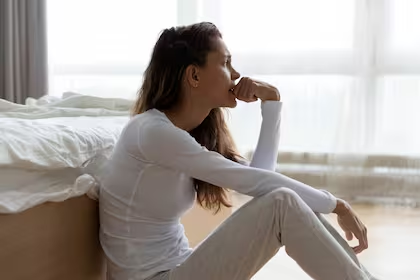
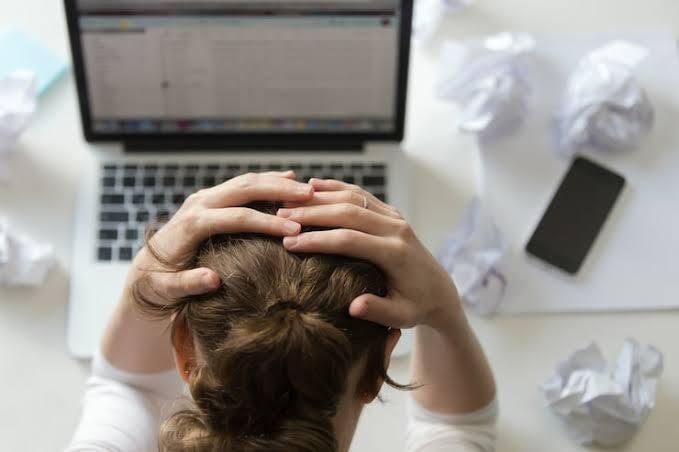
DIFFERENCES BETWEEN ANXIETY AND STRESS.
ANXIETY | STRESS |
Anticipated threats | Environmental requirements |
Alert reaction | A phenomenon that occurs because the person believes they do not possess certain skills, time, etc. |
Other moments in time | Present moment |
Psychological factors and emotions | Not having the resources to cope or being excessive |
There is treatment. | There is no treatment as such. |
*Anxiety is a symptom of stress.
Definition of Anxiety:
Anxiety is a natural emotional response to situations perceived as threatening or challenging. It is characterised by feelings of restlessness, fear or worry, accompanied by physical symptoms such as increased heart rate, sweating, muscle tension and difficulty concentrating. Although it is a normal reaction in many circumstances, it can become a disorder when it is excessive, persistent and affects daily functioning.
Definition of Stress:
Stress is a reaction of the body and mind to internal or external demands perceived as challenging or overwhelming. It can be caused by positive events (eustress) or negative events (distress). Physiologically, stress activates the sympathetic nervous system, releasing hormones such as cortisol and adrenaline. While a moderate amount of stress can be beneficial for motivation, chronic stress can negatively affect physical and mental health, contributing to problems such as hypertension, insomnia, and psychological disorders.
Definition of Somatisation:
Somatisation refers to the manifestation of physical symptoms without an identifiable medical cause, which are often related to psychological factors. It is a way in which the body expresses emotions and tensions that have not been properly processed. People with somatisation may experience pain, gastrointestinal discomfort, fatigue or other physical health problems that cannot be explained by organic diseases, but which are influenced by stress, anxiety or other psychological factors.
*Somatisation is a signal from the body to tell us that something is wrong. The function of anxiety is to alert us to a real and/or unreal danger. Stress, on the other hand, tends to be a demand. If this demand persists over time, it can become pathological as it becomes dysfunctional.
IS THERE SUCH A THING AS POSITIVE STRESS AND NEGATIVE STRESS?
As mentioned in the previous section, stress is the body's response to external and internal demands, which is experienced as a state of tension, especially psychological tension.
When this response is appropriate, we refer to it as positive stress, necessary for our adaptation to the environment. For example: the day before an exam.
When this response exceeds the body's capacity for resistance and/or adaptation, we speak of negative stress, which can contribute to the onset of illness. For example: maintaining a workload for two people over a long period of time.
*If you consider the stress you are experiencing to be negative, it is important to seek professional help so that the situation does not worsen in the future.
WHAT CAUSES STRESS, SYMPTOMS AND HOW WE CAN PREVENT IT.
What we produce stress, among others:
- The environment. Noise, crowds, schedules, social norms, complicated procedures, etc.
- Thoughts. Interpretation of what is happening, the future, etc.
- Life situations. Loss of a loved one, emotional separation, financial problems, illness, etc.
Symptoms:
– Headache.
– Loss of memory and concentration.
– Muscle tension or pain, especially in the neck and shoulders.
– Irritability and mood swings.
– Negative thoughts.
– Difficulty sleeping.
– It weakens the immune system.
– Hair loss and skin problems.
– Increases gastric acidity.
Prevention:
- Seek out moments of rest and enjoy the things you do: reading, chatting, playing a board game, or doing nothing at all.
- Sleep around 8 hours.
- Prioritize difficult tasks and delegate those you can.
- Exercise regularly, preferably outdoors.
- Practice some relaxation techniques as part of your routine, especially when you are feeling at your worst.
- Identify where you somatize so you know when your body is telling you to stop.
– Through which system do you somatise? Digestive, respiratory, musculoskeletal, excretory, circulatory, or reproductive?
– How should you take care of yourself so that this symptom does not worsen and eventually disappears, bearing in mind that it is a warning sign from your body?
– Symptoms: sharp pains in the lungs, heartburn, chronic fatigue, headaches, mental fatigue, etc.
WHAT IS BREATHING AND WHY IS IT IMPORTANT?
Breathing is the physiological process by which the body takes oxygen from the air and expels carbon dioxide. This process is carried out automatically and involuntarily through the lungs, but it can also be controlled consciously. Breathing is essential for life, as oxygen is necessary for cellular metabolic functions and energy production, while the expulsion of carbon dioxide maintains the body's acid-base balance.
Breathing is not only a fundamental physical process, but also plays a crucial role in regulating the nervous system and managing emotions. Controlling your breathing can directly influence your mood, calmness, and your body's response to stress., making it a powerful tool for general well-being.
WHAT ARE BREATHING TECHNIQUES AND WHAT ARE THE BENEFITS OF BREATHING TECHNIQUES?
Breathing techniques are controlled and specific exercises used to regulate the way we breathe, with the aim to improve physical, mental, and emotional healthThese techniques involve controlling the rhythm, depth, and pattern of breathing, and are based on the idea that the way we breathe influences our overall well-being.
Existen diversos tipos de técnicas de respiración que pueden aportar diferentes beneficios, como reducir el estrés, mejorar la concentración, aumentar la oxigenación, aliviar la ansiedad o incluso aumentar los niveles de energía. Estas técnicas se pueden utilizar en una amplia variedad de actividades, como yoga, the meditation, the mindfulness and rehabilitation respiratory.
Benefits:
- Reduction of anxiety and stress. Activation of the parasympathetic nervous system and reduction of intrusive thoughts.
- It improves concentration and boosts energy levels. It enhances oxygenation, stimulates the nervous system and promotes mental clarity.
- Improves emotional well-being and strengthens the immune system. Reduces cortisol levels, improves oxygenation and stimulates the lymphatic system, helping to eliminate toxins and strengthen the body’s defences.
- Improves sleep quality and relaxation. Promotes deep sleep, reduces physical and mental tension, and fosters mind-body connection.
BASIC BREATHING TECHNIQUES TO PRACTISE AT HOME ON A DAILY BASIS.
Diaphragmatic (Abdominal) Breathing
Diaphragmatic breathing, also known as abdominal breathing, focuses on using the diaphragm (the muscle located below the lungs) to breathe, rather than relying solely on the chest muscles. It is one of the most effective techniques for reducing stress and improving oxygenation.
Steps to follow:
- Get into a comfortable position, preferably lying down or sitting with your back straight.
- Place your left hand on your chest and your right hand on your abdomen (just above your diaphragm) to feel your breathing.
- Take a deep breath in through your nose, making sure the air reaches your abdomen. Feel your abdomen rise as the air fills your lungs deeply. The hand on your abdomen should rise, whilst the one on your chest should remain as still as possible.
- Breathe out slowly through your mouth, emptying the air from your abdomen. Feel your abdomen drop as you breathe out. Try to make the exhalation longer than the inhalation.
- Repeat the process for several minutes, focusing on the expansion and contraction of your abdomen with each breath.
*It’s a great help when we feel a panic attack coming on, to prevent our anxiety from spiralling.
Deep, Slow Breathing
Deep, slow breathing focuses on taking longer, more leisurely breaths, whichIt helps to slow the heart rate and induce a state of deep relaxation.
Steps to follow:
- Sit or lie down comfortably, keeping your spine straight and your shoulders relaxed.
- Close your eyes to minimise distractions and focus on your breathing.
- Breathe in slowly and deeply through your nose, making sure to fill your lungs completely (you will feel the air filling your abdomen first and then your chest). The aim is for the inhalation to last between 4 and 6 seconds.
- Hold your breath for a couple of seconds after inhaling.
- Breathe out slowly and fully through your mouth, gently emptying your lungs. 6. 6. Try to make the exhalation last a little longer than the inhalation (6 to 8 seconds).
- Repeat the breathing cycle for 5 to 10 minutes, focusing on the sense of calm it brings you.
- It is recommended that you do one of these exercises every day, at least once a day before going to bed, and if possible twice a day – once in the morning and once before going to bed.
OTHER BREATHING TECHNIQUES AS A WAY OF LIFE.
YOGA: Pranayama and its variations.
In the tradition of yoga, breathing plays a fundamental role in physical, mental and spiritual well-being. The term ‘Pranayama’ comes from Sanskrit, where ‘prana’ means ‘vital energy’ or ‘breath’, and ‘yama’ means ‘control’ or ‘restraint’. Thus, Pranayama is the art of controlling the breath to balance the vital energy within the body.
Breath control is essential in yoga practice because it helps to calm the mind, reduce stress and improve concentration. There are various Pranayama techniques, each with specific effects on the body and mind.
Mindfulness and meditation.
Mindfulness and meditation are practices focused on mindfulness and stress reduction, and breathing plays a key role in both. Breathing techniques in mindfulness and meditation are essential for anchoring one’s attention in the present moment and fostering a calm mind.
Making small changes to your daily routine or even exploring new surroundings can be a great way to switch off and recharge your batteries. If you’re looking for inspiration for those moments, this travel guide in Stamp by Stamp Travel It can give you ideas for discovering places that promote calm and well-being.
*For those wishing to practise at home, we recommend reading: *Mindfulness: A Practical Guide to Finding Peace in a Frantic World* by Mark Williams and Danny Penman.
*Both techniques are offered at the SAUDADE E TERRA clinic. Please enquire for further information about classes and fees.